Bogolan — what’s often called mudcloth — doesn’t start with a pattern. It starts with a seed. Every piece in our collection passes through the same seven stages before it reaches a wall, a sofa, or a shoulder: stages that haven’t changed much in generations, because there hasn’t been a reason to change them.
01
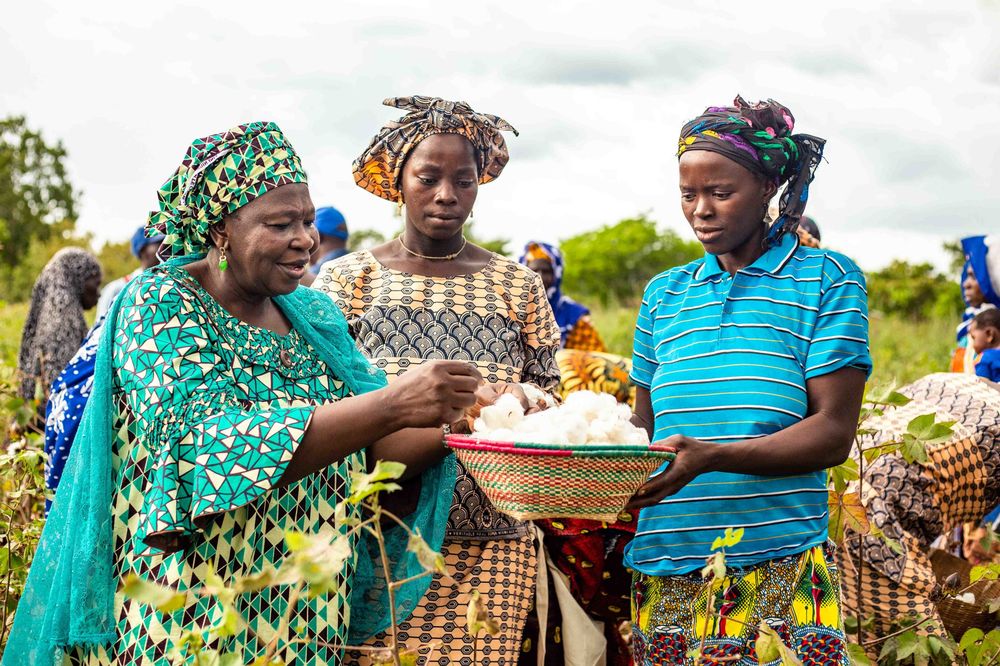
The Cotton, From the Field
It begins in the field — cotton grown and hand-picked in Mali, the same raw material that’s anchored the region’s textile tradition for centuries. Nothing here is synthetic or blended; the fiber is entirely what the land produced that season.
02
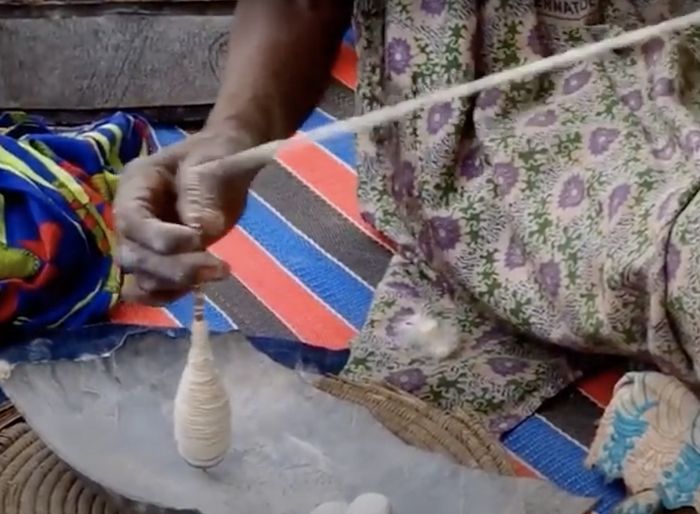
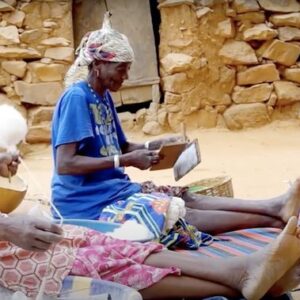
From Cotton to Thread
The raw cotton is cleaned, carded, and spun entirely by hand into fine, even thread. It’s slow, seated work — often done in groups — and it’s the step where the raw fiber first starts to look like something that could become cloth.
03
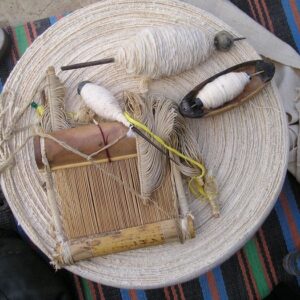
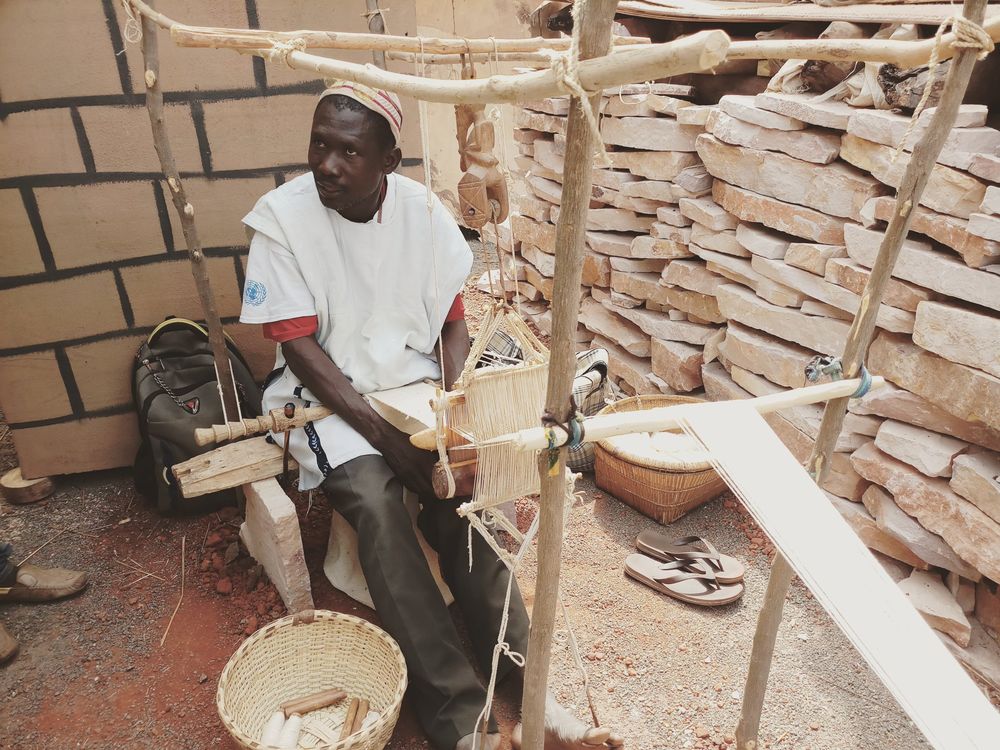
The Tisserand Takes the Loom
A tisserand — a traditional weaver — sets the spun thread on a narrow strip loom and weaves it into long, narrow bands of raw white cotton. Each band is only a few inches wide; it takes many of them, woven separately, to make a single cloth.
04
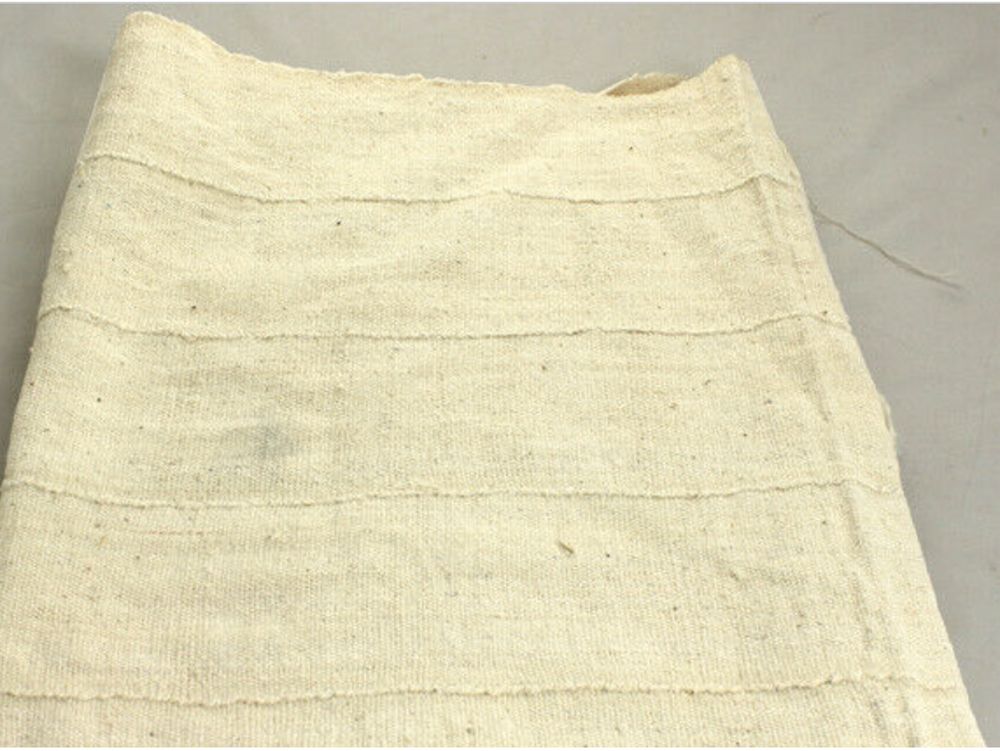
The Bands Become Cloth
The individual woven strips are sewn together by hand, seam by seam, into a single length of raw fabric. Still undyed and unpatterned, this is the blank canvas every bogolan design begins on.
05
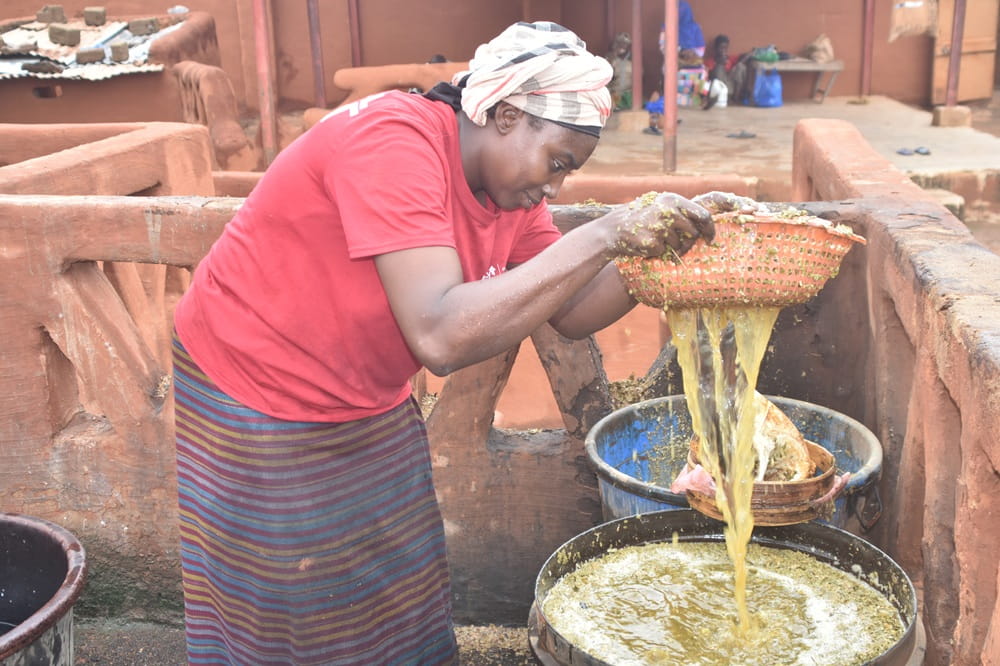
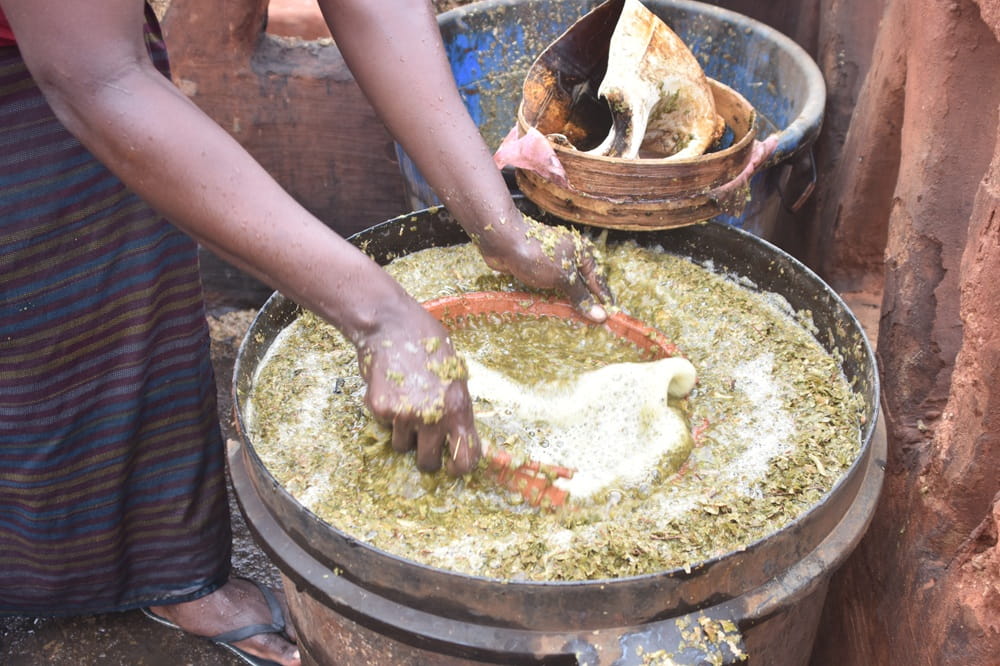
Preparing the Natural Dye
Plant material is soaked, strained, and worked by hand into a natural dye bath. Every batch is mixed fresh, so the color of one cloth is never quite identical to the next.
06
Mud Does the Rest
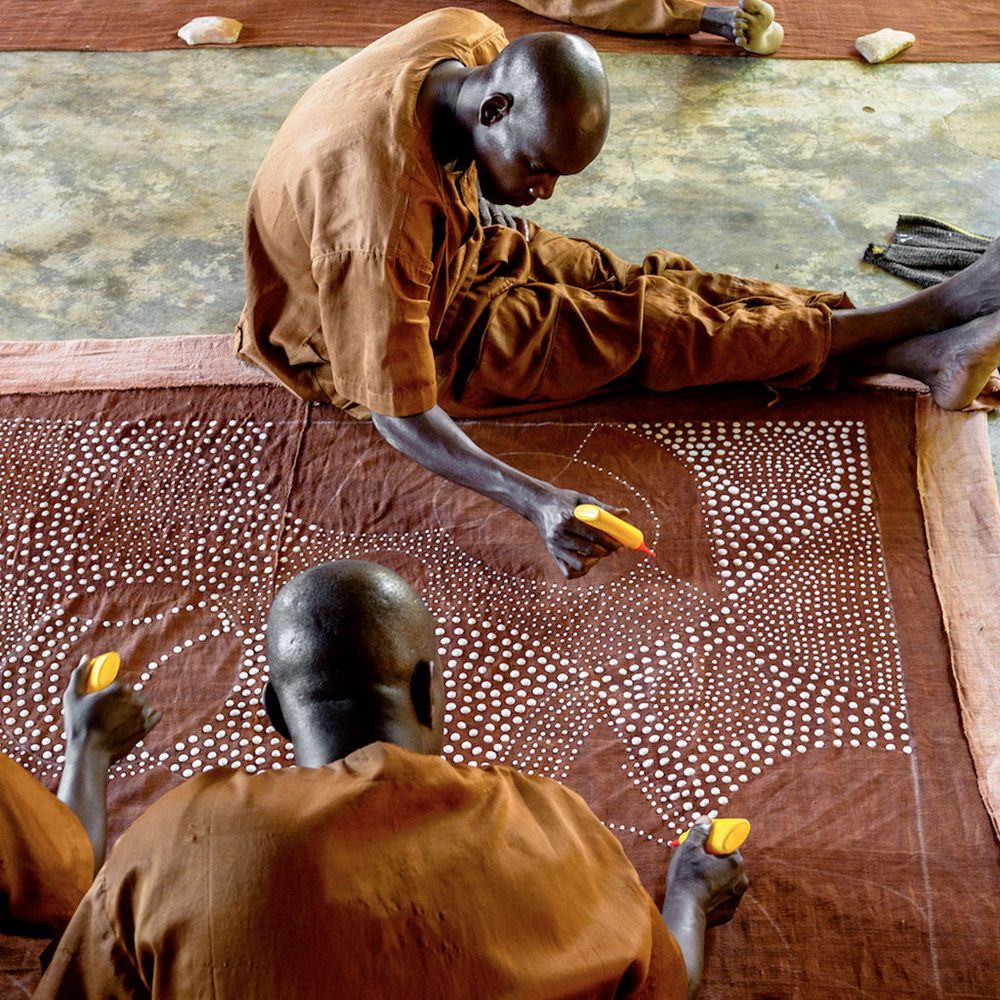
Once the cloth is dyed, fermented river mud is hand-painted onto it, symbol by symbol, in the geometric motifs bogolan is known for. This is the step that turns a dyed cloth into a bogolan — and no two hands paint it quite the same way.
07
The Finished Cloth
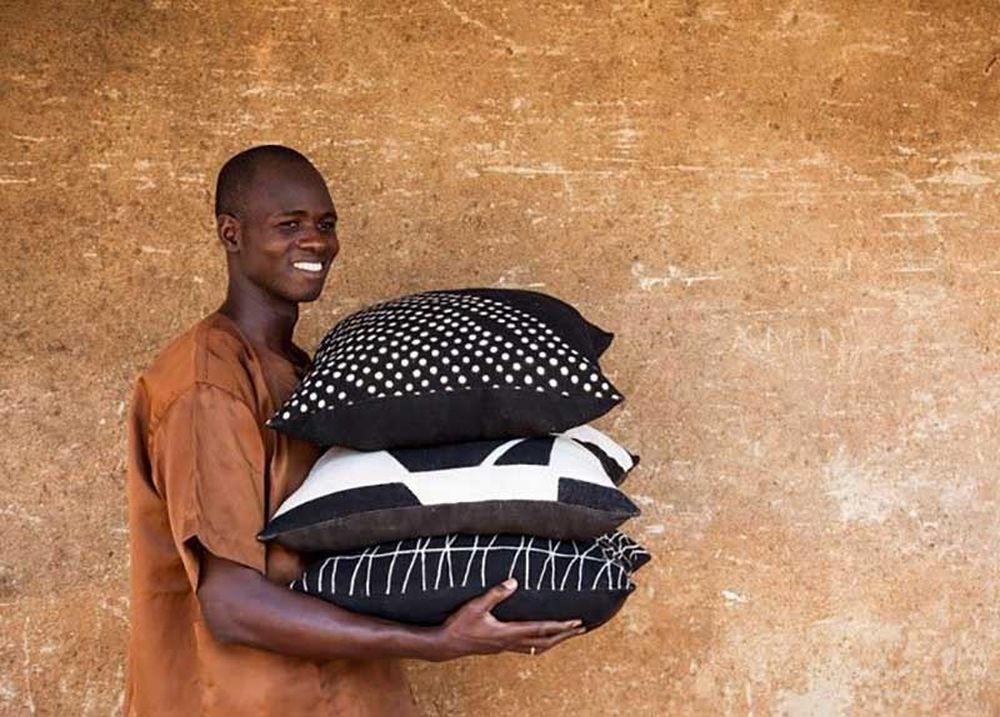
What started as cotton in a field is now a finished bogolan — bold, deliberate, and entirely the product of hands rather than machines. From here, it’s ready to become a blanket, a wall hanging, a pillow, or a scarf.